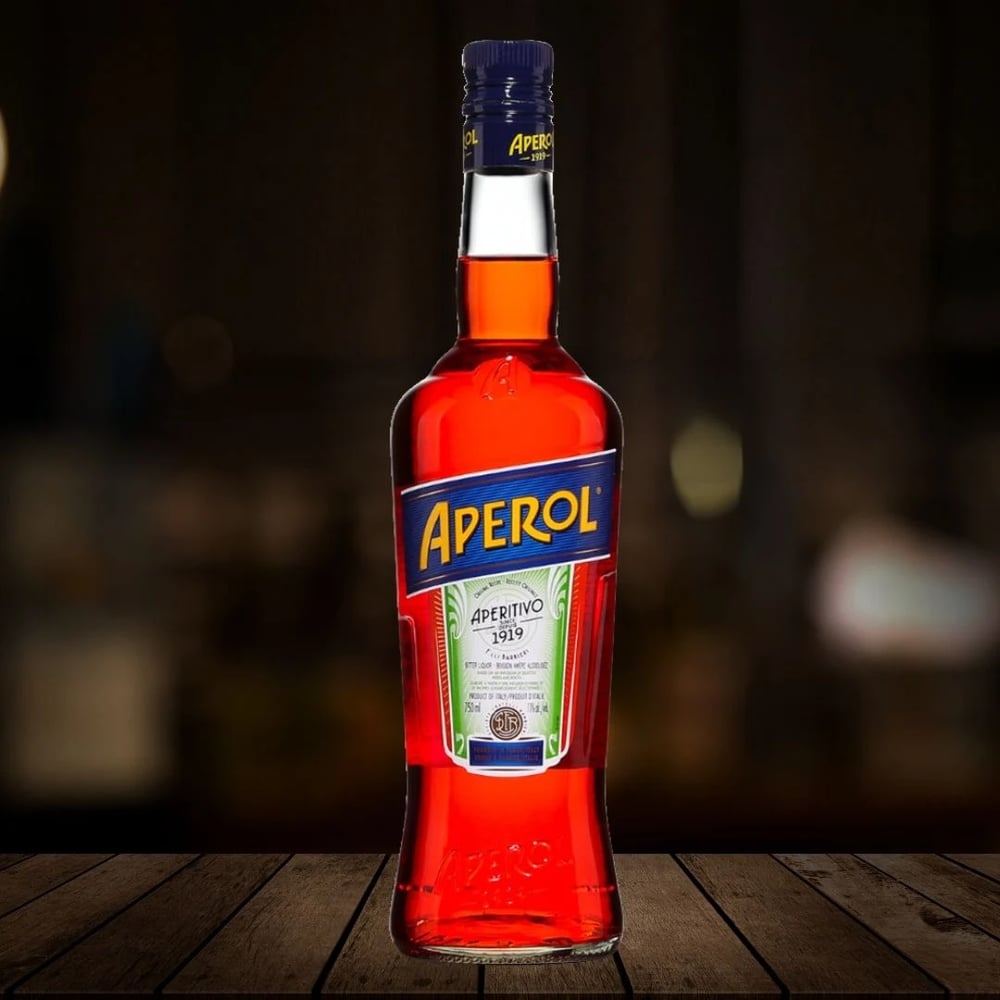
Aperol is a bitter orange liqueur from Italy, made to a recipe that has stayed close to its Padua origins since 1919. At 11% it sits at the lighter end of the bitter family — low enough to drink long, bitter enough to wake up a palate. The colour is the giveaway: a fluorescent orange that comes from the ingredients, not from anything added.
- 11% ABV, 700ml bottle.
- Bitter orange, rhubarb and gentian root.
- Italy — the Veneto, around Padua.
- Bittersweet, lightly herbal, citrus-peel finish.
How it is made
Bitter liqueurs of this family are built by macerating roots, barks, herbs and citrus peel in alcohol, then sweetening and diluting to strength. Aperol's base is gentian, rhubarb and orange peel — gentian for the bitter backbone, rhubarb for the tart, slightly earthy middle, orange for the top note. The result is a liqueur that is bitter but not aggressive, which is why it has always been drunk in quantity rather than in sips.
How it tastes
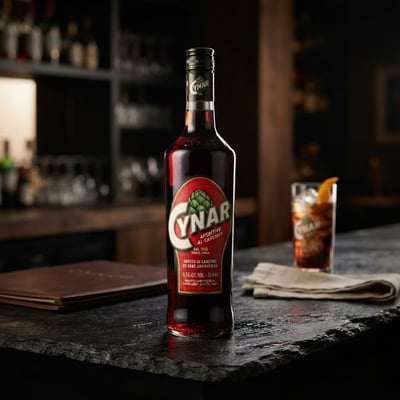
Bright orange on the nose, then a soft, sweet-bitter push: candied citrus, a rhubarb tartness, a faint herbal bitterness that arrives late and lingers on the peel. Noticeably less bitter than Campari or Cynar, and lighter in body. The sweetness is real but it never tips into syrup.
Good to know
Aperol belongs to the amaro tradition — Italian bitters that were originally sold in pharmacies as digestive tonics before they moved to the bar. Its low alcohol is deliberate: the style was built to be stretched, and the spritz it is best known for is essentially a dilution of it. The name comes from aperitivo, the pre-meal drink, though the liqueur long ago outgrew the category it was named for.
Contains alcohol.