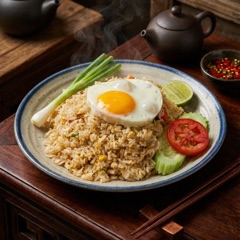
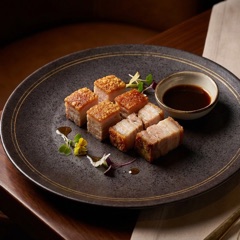
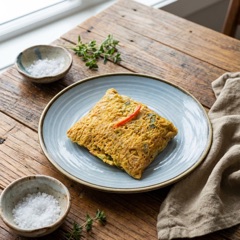
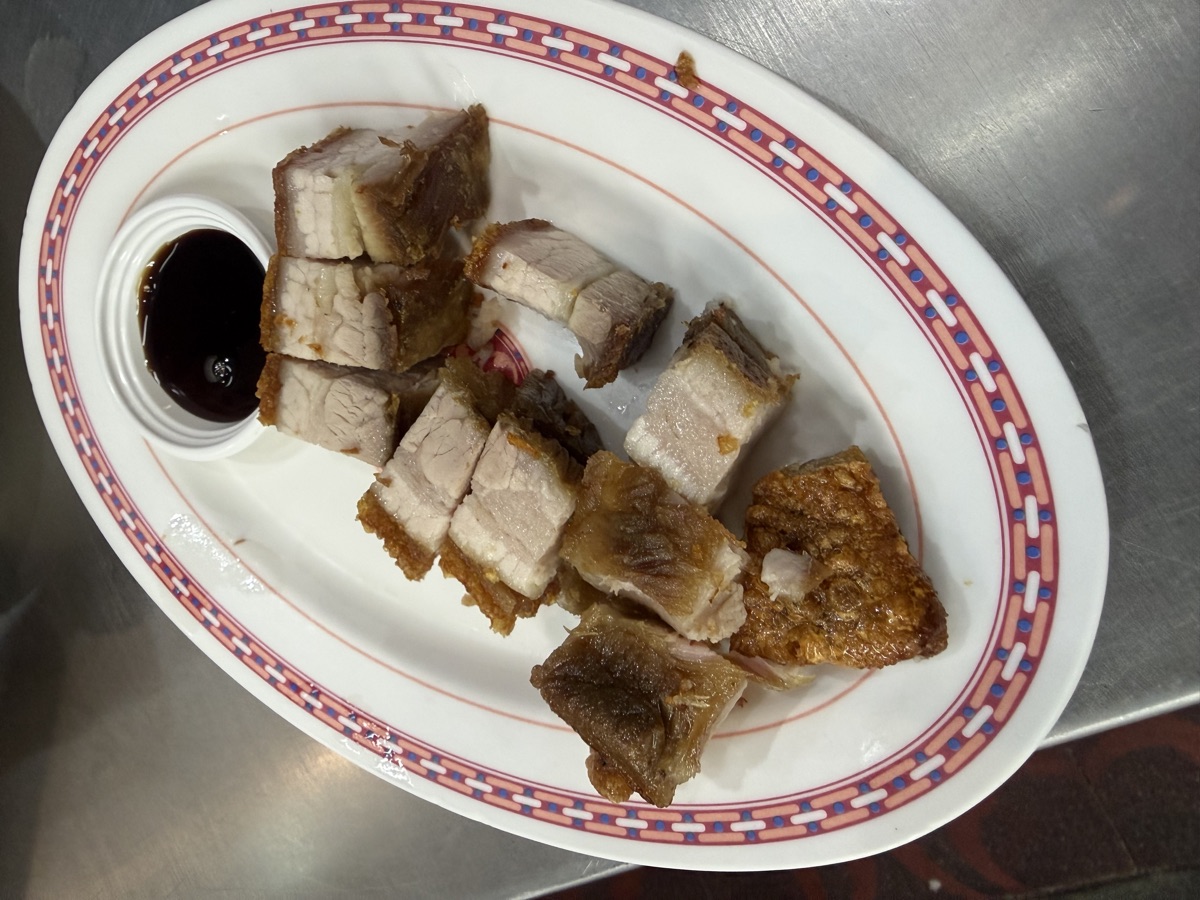
A new restaurant is invisible. This is how that stops.
Your dishes on your own web address — photographed, described in your voice, readable in twelve languages, and legible to Google and the AI assistants people now ask for recommendations. Then it starts telling you what guests actually looked at.
Found instead of hidden
Every dish is its own page with real structure behind it, so search engines and AI assistants can quote your food. A photo of a paper menu can't be read by either.
Twelve languages, one link
The guest opens the menu in their own language — allergens and dietary notes included, not buried in English fine print.
Every dish photographed
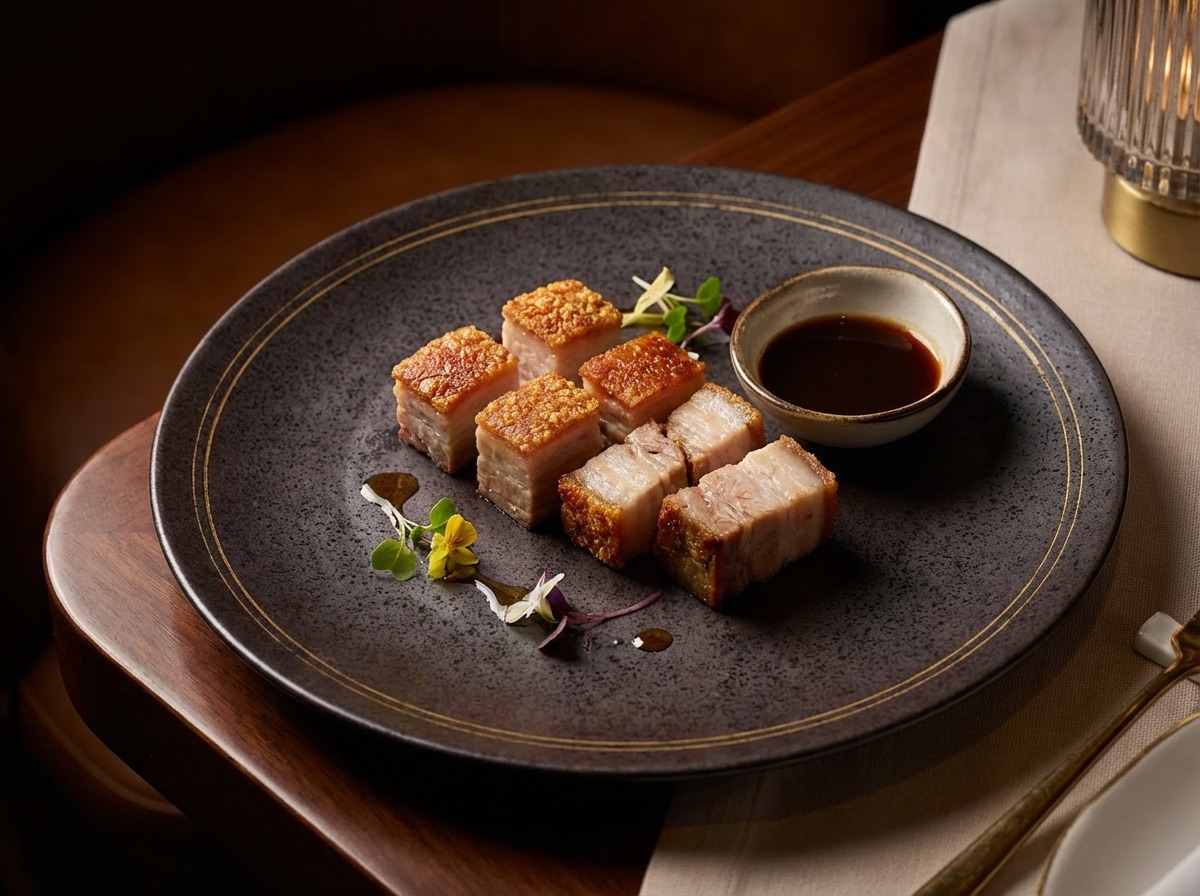
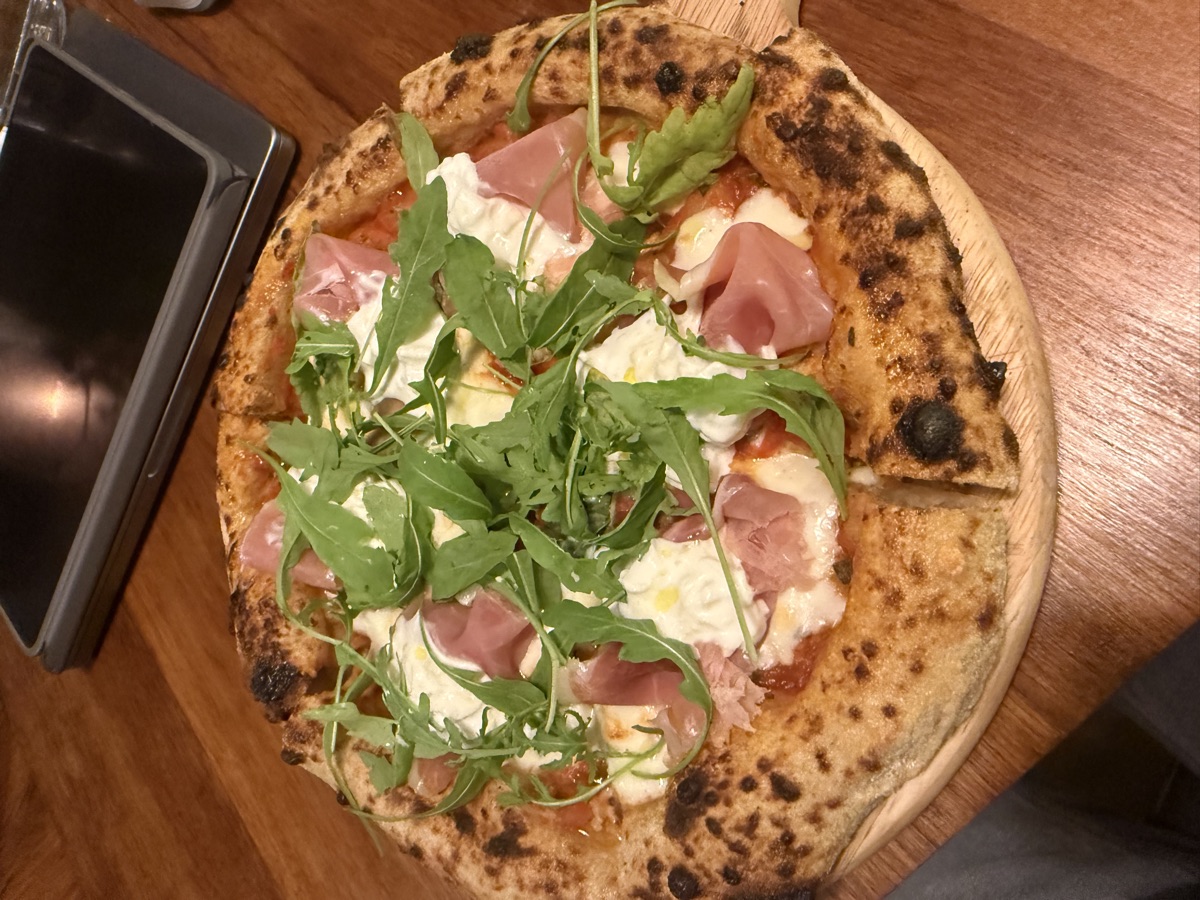
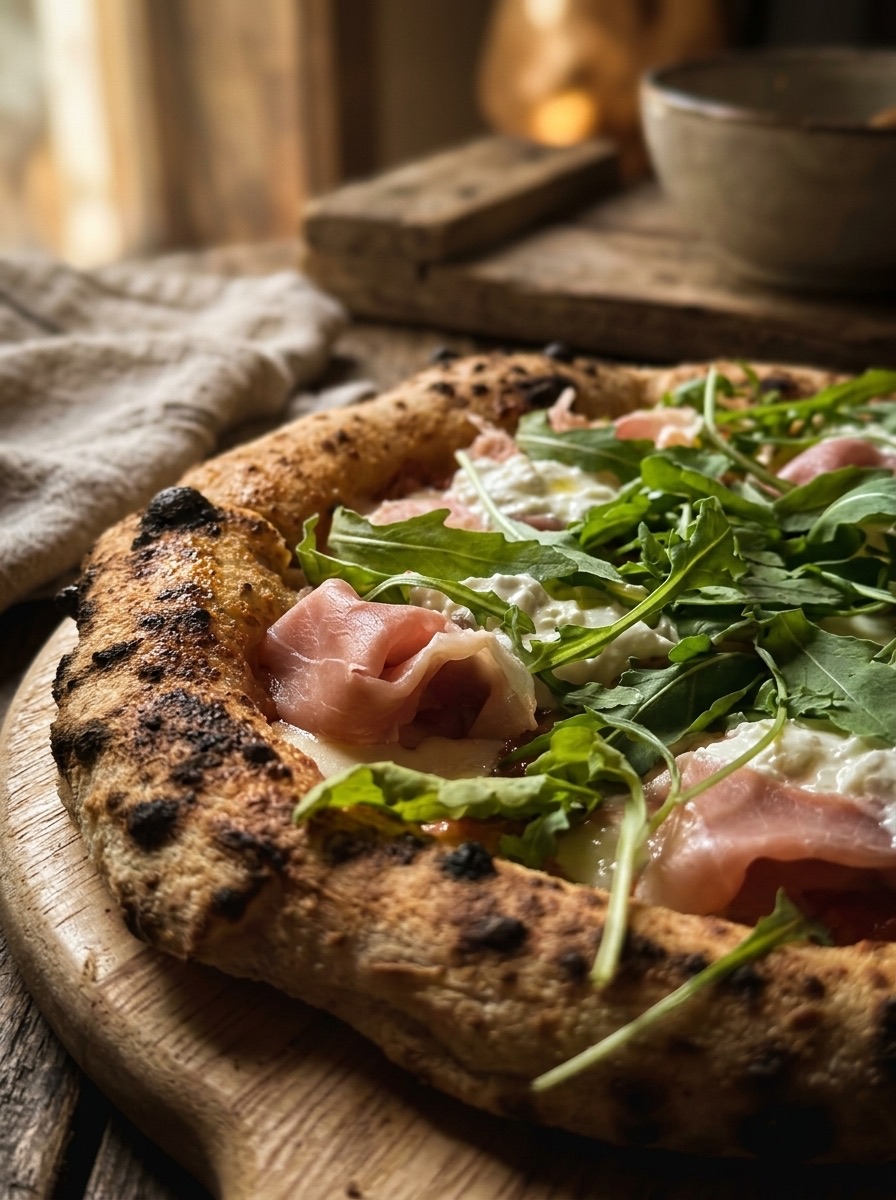
A phone photo from the pass comes back looking professional. Dishes you never shot get one made from the name.
Your name, not ours
Your web address, your colours, your logo. One QR for the table that keeps working when the menu changes.
It reports back
Which dishes guests looked at, which they skipped, how far down they read, and what language they read in.
Change it by asking
"Hide the burrata, we're out" or "make the carbonara photo warmer" — typed as a message, done in seconds. No page builder to learn.
What actually changes
A menu on paper, or a PDF
- A guest searching your dishes finds nothing. Google has a photo of a printed sheet it cannot read.
- A tourist opens it and closes it. No translation, no allergens they can trust.
- Two dark phone photos for forty dishes. The rest is imagination.
- You change a price by reprinting, or by editing a PDF nobody re-downloads.
- A dish sells badly and you never learn whether guests disliked it or never saw it.
A menu on the web, done properly
- Every dish is its own page, written so search engines and AI assistants can quote it.
- Twelve languages from one link. Allergens and dietary notes translate too.
- Every dish has a real photo, in one consistent style, even the ones you never shot.
- A price change is live in seconds, on the same link and the same QR.
- You see which dishes guests looked at, which they skipped, and how far down they read.
How it works
Six steps. The first takes an afternoon. After that the menu keeps itself current and reports back to you.
- 01
Your menu goes in once
Photograph the paper menu. The AI reads it and lays out your dishes, prices and sections — you correct what it got wrong instead of typing forty dishes from scratch.
- 02
Every dish gets a photo
Send a phone photo taken on the pass and it comes back looking shot by a photographer — same plate, same food, better light. For dishes you never photographed, the studio makes one from the name.
- 03
Every dish gets words, in twelve languages
A description written in your voice, not a template — then translated into twelve languages, with allergens and dietary notes carried across. A German guest reads German, including the warnings.
- 04
It goes live on your own address
Your name, your colours, your web address — not a listing page with someone else's logo at the top. One QR for the table, one link for Instagram, and both keep working when you change the menu.
- 05
Google and the AI assistants can read it
Your dishes go out as structured facts, not a picture of a page. So when someone asks an assistant where to eat nearby, your restaurant can be the answer — with your dishes and your prices in it.
- 06
It tells you what guests looked at
Paper throws this away. Your menu counts it: a dish seen 141 times and opened 3 has a photo or a price problem. Half your guests never scrolling past the starters means your best plates are too far down.
What it costs
Start on the free plan with no card. Move up when the menu is earning its keep, not before.
Your menu page, live, with photos and descriptions. Watch one competitor. Enough AI credits to try everything properly.
Your own web address, and every dish on it instead of the first hundred. Automatic translation into every language your guests read. Three competitors.
The Photo Studio, the numbers behind your menu, and your street read every day instead of every week. Eight competitors.
- A photographer for a menu shoot, once, for dishes that change every season.
- A translator per language — and again every time you change a dish.
- A web agency to build the page, then a monthly fee to change a price on it.
- An analytics setup nobody in a kitchen has time to read.
Prices in US dollars, billed monthly. No setup fee, and your menu, your photos and your guest list stay yours if you leave.
Your web menu — live tonight.
No card, no setup call. Start free and the agents pick it up on their next shift.